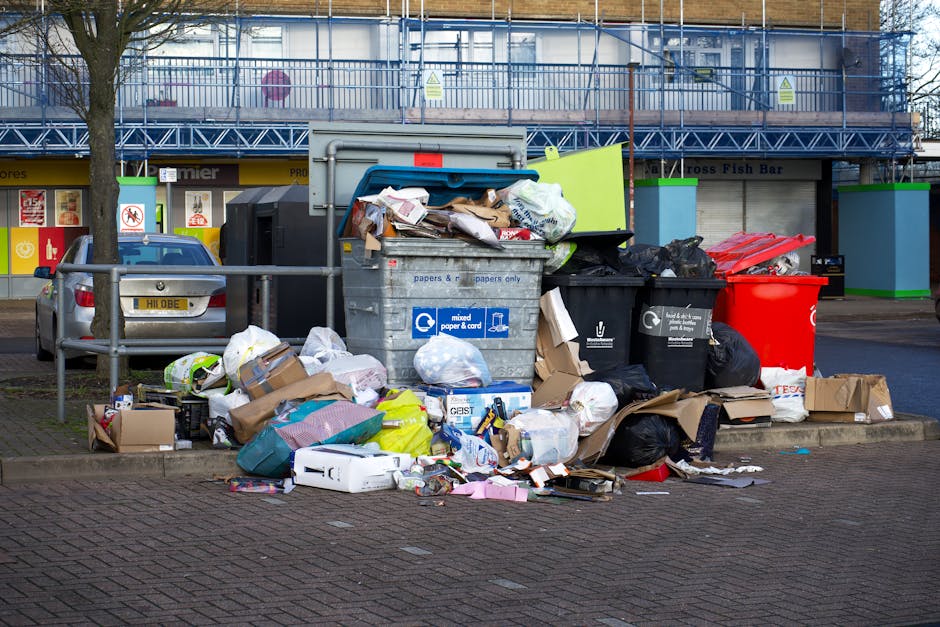
Avoid hidden rubbish removal fees in Surbiton

If you have ever booked a clearance and then watched the final bill creep up, you will know the sinking feeling. A quote can look tidy on screen, then suddenly there are call-out charges, lifting fees, congestion extras, or a vague line called "additional handling". That is exactly why people search for ways to avoid hidden rubbish removal fees in Surbiton: they want a fair price, not a surprise. In a busy area like Surbiton, where access can be tight and collections need to fit around work, school runs, or a landlord's deadline, clarity matters. This guide breaks down what to check, how pricing usually works, and the simple questions that save money and stress.
Practical summary: the best protection against hidden fees is a written, itemised quote, a clear description of what needs removing, and confirmation of any access, weight, or disposal extras before the team arrives.
Why Avoid hidden rubbish removal fees in Surbiton Matters
Hidden fees are not just annoying. They make it hard to compare providers properly, and that usually leads to rushed decisions. If one company offers a low headline price but adds charges later, while another gives a slightly higher but transparent quote, the cheaper option can end up costing more. Bit of a trap, really.
In Surbiton, there are a few reasons this comes up often. Residential streets can be narrow. Flats may have stairs or no easy parking. House clearances may involve mixed loads, awkward furniture, or heavy items that take more labour than expected. If those details are not discussed early, they often appear as "extras" on the invoice.
It also matters because waste removal is a trust service. You are letting someone onto your property, into your loft, your garage, maybe a rental flat you are trying to hand back on time. You need to know who is charging for what, and why. That is less about bargain hunting and more about avoiding a bad deal.
For readers who want to understand the wider service landscape, it can help to review the company's main waste removal service alongside its pricing and quotes approach. Clear pricing policy is often the first sign of a well-run operation.
How Avoid hidden rubbish removal fees in Surbiton Works
The process is straightforward when it is done properly. A reputable provider will ask what you need removed, where it is located, how accessible it is, and whether any items need special treatment. From there, they should give you a quote that explains the main cost drivers. Not fancy, just clear.
Most rubbish removal prices are influenced by a few common factors:
- volume of waste, usually measured in load size or van space
- type of waste, such as general rubbish, bulky furniture, garden waste, or builder's waste
- weight, especially for dense materials
- access, for example stairs, long carries, or limited parking
- labour time, particularly if items need dismantling or extra handling
- special disposal requirements for appliances or hazardous items
A good company should explain whether the quote is based on a fixed price, an estimated load, or a final on-site assessment. That distinction matters. A fixed quote is easier to budget for, while an estimate may change if the load turns out to be different from what was described.
For example, a one-bedroom flat clearance with a sofa, two mattresses, and a few bin bags should be priced differently from a full flat clearance involving wardrobes, white goods, and basement access. If a provider does not ask enough questions, you are the one who pays for the gap later.
Key Benefits and Practical Advantages
Getting pricing right is not just about avoiding nasty surprises. It can make the whole job calmer and quicker. You know what is included, what is not, and what you need to prepare before the team arrives.
- Better budgeting: no last-minute scrambling for extra money.
- Faster decision-making: easy comparison between providers.
- Less dispute risk: fewer arguments over "unexpected" work.
- More efficient collections: the crew arrives prepared for the actual job.
- Reduced stress: especially useful during moves, renovations, or bereavement clearances.
There is also a practical time saving. When the provider knows the job in advance, they bring the right size vehicle, the right number of staff, and the right equipment. That means fewer delays outside your property and fewer awkward phone calls about "just one more trip".
If you are clearing a home, a garage, or even a small office, the service should fit the situation. That is why many people compare specialist options such as house clearance, garage clearance, or office clearance before booking. The clearer the service fit, the less room there is for billing confusion.
Who This Is For and When It Makes Sense
This advice is useful for almost anyone arranging waste collection in Surbiton, but especially for people facing mixed or awkward loads. If the job sounds simple on paper but has a few complications in real life, that is where hidden costs tend to appear.
- homeowners clearing clutter before a sale or renovation
- tenants moving out of a flat and needing a clean handover
- landlords dealing with left-behind furniture or rubbish
- office managers clearing old desks, chairs, and paperwork
- builders or tradespeople with mixed construction waste
- families sorting lofts, garages, or inherited properties
It also makes sense for anyone with limited time. Let's face it, when you are juggling keys, checkout deadlines, or a builder waiting on the next phase, you do not want to spend half the morning negotiating about mattress fees.
For heavier household clearances, it can be helpful to look at home clearance or loft clearance pages to understand how a provider structures its service. Those jobs are often where access and labour are most likely to affect the final price.
Step-by-Step Guidance
Here is a practical way to keep the quote honest from the start.
- List everything that needs removing. Be specific. "Rubbish" is too vague. "Two sofas, six black bags, one fridge, and some plasterboard offcuts" is much better.
- Note access conditions. Stairs, narrow hallways, no lift, parking distance, and heavy lifting all matter.
- Separate normal waste from special waste. Appliances, mattresses, chemicals, and certain builder's materials may need special handling.
- Ask for an itemised quote. Make sure the quote shows what is included and what triggers an extra charge.
- Check whether VAT is included. Some people miss this one. Small line item, big difference.
- Confirm the collection method. Is it load-based, time-based, or a site visit price? The method should be clear.
- Get the agreement in writing. Email is fine. A verbal promise is a bit slippery when the invoice arrives.
- Reconfirm before collection day. If the load changes, tell them early rather than waiting for the van to arrive.
A quick real-world example: suppose you are clearing a garage in Surbiton and you also discover old paint tins, a broken freezer, and a pile of wet garden waste. Those are not all priced the same. If you mention them early, the quote can reflect the actual job. If you do not, the adjustment may come later.
For people dealing with mixed or bulky items, the company's pages on furniture disposal and mattress and sofa disposal can be useful because they signal how these items are usually handled and what may affect pricing.
Expert Tips for Better Results
Over the years, the biggest pricing problems usually come from missing detail, not malicious intent. That is worth saying plainly. A lot of disputes start because the customer assumed the provider "would just know". They usually do not. And to be fair, they should not have to guess.
Tip one: photograph the waste before you request a quote. A few clear photos from different angles help far more than a general description. Include doors, stairs, or parking if they affect access.
Tip two: mention anything awkward, even if it feels minor. A single heavy filing cabinet or a fridge in the back room can change the job quite a bit.
Tip three: ask what is excluded. Items that need disassembly, specialist recycling, or separate disposal are common sources of extra charges.
Tip four: compare like with like. One provider may include labour, loading, and disposal in the quote, while another only quotes the vehicle. Those are not the same price at all.
Tip five: choose transparency over the lowest headline price. A fair, full quote beats a bargain that grows teeth later.
If you are unsure how a company handles safety, insurance, or payment terms, it is sensible to read their policy pages first. For example, the site's insurance and safety information, payment and security notes, and health and safety policy can all help you judge how carefully they operate.
Common Mistakes to Avoid
Most hidden fee problems are avoidable. The trick is spotting the patterns early.
- Giving a vague description: "a bit of rubbish" is not enough to price a job properly.
- Ignoring access issues: a flat on the third floor with no lift is a different job from a ground-floor pickup.
- Assuming everything is standard waste: appliances, mattresses, and hazardous items often need separate treatment.
- Not asking about waiting time: if the team has to wait around while you sort the waste, fees may apply.
- Forgetting parking or permit constraints: in parts of Surrey and Greater London, access can make a real difference to scheduling.
- Skipping the written quote: this is where misunderstandings become expensive.
Another common mistake is bundling everything together and hoping the provider will sort it out at the door. Sometimes they will. Sometimes the quote changes. Sometimes everybody gets a bit fed up. Not ideal.
If you are preparing waste for a skip rather than a collection, it helps to know the loading rules in advance. The page on what can go in a skip is a useful reference point for understanding the basics of waste separation and prohibited items.
Tools, Resources and Recommendations
You do not need specialist software or anything dramatic. A mobile phone, a tape measure, and a few good photos will do a lot of the heavy lifting. Honestly, the humble camera roll saves people money every week.
- Photo checklist: wide shot of the room, close-up of the waste, and one image showing the access route.
- Simple inventory list: item, quantity, condition, and whether it is breakable or heavy.
- Measurements: roughly estimate large items so the provider can judge volume better.
- Email or message trail: keep the quote in writing so you can refer back to it.
- Policy pages: review booking, payment, and complaints information before you agree.
For business customers, there is also value in checking whether the provider has a proper business waste removal service and whether it fits your office or commercial premises. A commercial clearance should not be treated like a casual household pickup.
If the job includes confidential documents, old filing systems, or sensitive paperwork, the confidential shredding page is worth looking at too. That is not a hidden fee issue as such, but it is a useful sign that the provider understands different waste streams.
Law, Compliance, Standards, or Best Practice
When waste is collected in the UK, there are basic legal and best-practice expectations around responsible handling, correct disposal, and avoiding fly-tipping. You do not need to become an expert in waste law to protect yourself, but you should use a provider that can explain how waste is handled and where it goes in plain English.
A few sensible standards to look for:
- Clear pricing terms: the customer should know what is included before the job starts.
- Transparent waste handling: providers should be able to describe recycling and disposal practices.
- Safe collection methods: lifting, loading, and moving waste should be done with proper care.
- Insurance awareness: if something goes wrong on site, you want a company that takes safety seriously.
- Responsible disposal: hazardous or restricted materials should be treated separately, not bundled into a general load.
For certain waste types, especially chemicals, fuels, or contaminated materials, special rules may apply. In those cases, do not guess. Ask first. A trustworthy company will tell you if the load needs specialist handling, rather than trying to squeeze it into a standard job.
It is also worth checking the provider's general standards pages, including recycling and sustainability, so you have a better sense of whether they are likely to manage waste in a responsible way.
Options, Methods, or Comparison Table
There is more than one way to clear rubbish in Surbiton, and each approach has trade-offs. The cheapest route is not always the best once you factor in time, lifting, access, and disposal risk.
| Method | Best for | Pricing clarity | Main risk of hidden fees |
|---|---|---|---|
| Fixed-price rubbish removal | Clear, well-described jobs | High | Low, if the description is accurate |
| Estimate-based collection | Loads that may change on site | Medium | Medium to high if details are incomplete |
| Skip hire | Longer DIY clear-outs | Medium | Possible permit, overfill, or restricted-item issues |
| Specialist item collection | Appliances, mattresses, sofas, hazardous items | High when booked correctly | Higher if the item type is not disclosed |
If you are comparing rubbish removal to skip hire, the question is not only "which costs less?" It is also "which is less likely to bite me later?" Skip hire can be practical, but it requires you to load the waste yourself and stay within the rules. Removal services cost more in some cases, but they save time and reduce the chance of a badly loaded skip or a wrong-item charge. Different tools, different jobs.
For specific bulky items, dedicated disposal pages like fridge and appliance removal can be a more accurate guide than a general waste page.
Case Study or Real-World Example
A Surbiton homeowner clearing a spare room before decorating needed two wardrobes, a broken bed frame, a desk, and several bags removed. At first, the quote looked simple enough. But after checking access, the provider noticed the only route was down a narrow staircase with a tight turn at the bottom. That detail changed the labour requirement and the job duration.
Because the access issue was discussed before collection day, the price was adjusted in advance rather than after the van arrived. No drama. No awkward argument at the doorway. The customer knew what they were paying, the team knew how much time to allow, and the job was completed in one visit.
Now compare that with a less careful version. Same room, same waste, but the customer only said "a few bits of furniture". The provider arrives expecting a light load, then discovers heavy items, a blocked hallway, and a sofa that needs extra lifting. That is the sort of job where hidden fees appear, not always from bad intent, but from poor information.
It sounds minor, yet it makes all the difference.
Practical Checklist
Use this before you book.
- Have I listed every item that needs removing?
- Have I mentioned all access issues, stairs, parking, and distance to the vehicle?
- Have I separated standard waste from appliances, mattresses, or hazardous materials?
- Is the quote itemised and written down?
- Do I know whether VAT is included?
- Do I understand what would cause the price to change?
- Have I checked the provider's policies on payment, safety, and complaints?
- Do I know whether this is a fixed quote or an estimate?
- Am I comparing the same type of service across providers?
- Have I kept photos or messages as evidence of the agreed scope?
If you can tick most of those off, you are in a much better position. Not perfect. But properly protected.
Conclusion
The easiest way to avoid hidden rubbish removal fees in Surbiton is to slow the process down just enough to make it precise. Describe the job clearly, ask for a written quote, check access and item type, and confirm what happens if anything changes. That small bit of diligence can save you money, time, and a fair bit of frustration.
In the real world, good rubbish removal is not just about clearing space. It is about feeling confident that the price matches the work. If you can get that right, everything else becomes easier. A cleaner room, a calmer move, a safer site. Nice, simple, done.
If you are ready to compare your options, review the provider's service pages, pricing information, and policies so you know exactly what is included before you book.
Get a free quote today and see how much you can save.
Frequently Asked Questions
What counts as a hidden rubbish removal fee?
A hidden fee is any charge that was not made clear before the job started. Common examples include extra labour, access charges, disposal fees, waiting time, or surcharges for certain items. If it was not explained up front, it should not come as a surprise later.
How do I know if a rubbish removal quote is honest?
An honest quote is usually specific, written, and based on the real details of your job. It should explain what is included, what could change the price, and whether VAT is part of the total. If the quote feels vague, ask for more detail.
Should I send photos before booking rubbish removal in Surbiton?
Yes, photos are one of the best ways to avoid a pricing mismatch. They help the provider judge volume, item type, and access. A quick set of pictures can prevent a lot of back-and-forth.
Do stairs or tight access usually cost extra?
Sometimes, yes. Stairs, long carries, no lift access, or difficult parking can all affect labour time and planning. A reputable company should tell you if access affects the quote before you confirm the booking.
Are appliance removals more expensive than general rubbish?
They can be, because fridges, freezers, and other appliances often need separate handling or recycling. The key is to declare them early so the quote reflects the actual disposal method rather than adding a surprise charge on collection day.
What should I ask before accepting a waste removal price?
Ask what is included, what is excluded, whether the price is fixed, whether VAT is included, and whether any access or item-type extras might apply. Those five questions alone solve most confusion.
Can a rubbish removal company change the price on the day?
Yes, but only if the job is materially different from what was described. For example, if the volume is larger than expected or there are items that need special disposal, a change may be reasonable. If nothing has changed, the original agreement should stand.
Is a cheaper quote always worse?
Not always, but a very low quote should make you ask more questions. Sometimes it is a genuine deal. Sometimes it is missing labour, disposal, or access charges. Compare the full offer, not just the headline number.
What is the safest way to avoid disputes over rubbish removal costs?
Get everything in writing, share photos, describe the access, and confirm the type of waste before booking. That written record is your best defence if the final bill does not match what you were told.
Do I need a different service for bulky furniture or house clearances?
Often, yes. Bulky furniture, lofts, garages, and full houses can be handled more accurately by specialist services such as furniture disposal, house clearance, or loft clearance, because those jobs involve different levels of labour and loading.
What if I am still unsure which service I need?
If the job is mixed, awkward, or time-sensitive, it is usually better to ask for guidance before booking. A short conversation can save a lot of hassle later. And if the provider is not clear with you at that stage, that tells you quite a bit.
Where can I check the company's terms before I book?
Look at the pricing, payment, safety, and terms pages before confirming anything. Those pages are there for a reason, even if people sometimes skip them in a hurry. A few minutes of checking now can prevent a lot of disappointment later.