Health and Safety Policy for Commercial Waste Removal Surbiton
 Purpose and Scope: This policy sets out the health, safety and environmental standards that govern our commercial waste collection and rubbish clearance operations across our service area. It applies to all staff, contractors and clients involved in commercial waste removal Surbiton and nearby locations. The aim is to prevent injury, protect public health and minimise environmental impact while ensuring compliance with applicable waste handling and transport regulations. The policy covers refuse handling, vehicle loading and unloading, hazardous material identification, site access, and emergency response.
Responsibilities
Company management has the duty to provide a safe system of work, adequate training, and appropriate equipment. Supervisors must ensure that employees follow safe working procedures and report hazards. Employees are required to cooperate, use provided personal protective equipment (PPE) and immediately report incidents. Contractors engaged for commercial rubbish removal in Surbiton are required to demonstrate competence, hold relevant licences and insurance, and adhere to this policy as part of contract conditions.
Risk Assessment and Control
Risk assessments will be performed for all routine and non-routine activities, including manual handling, vehicle operations, segregation of waste streams and handling of potentially hazardous materials. Controls will be implemented using the hierarchy of control: elimination, substitution, engineering controls, administrative controls and PPE. Practical measures include safe lifting techniques, mechanical aids for heavy or bulky loads, secure load restraint on vehicles, and clear segregation of recyclable, general and hazardous waste.Site and vehicle safety measures mandate pre-shift vehicle checks, maintenance records, and driver competence checks. Work areas must be kept tidy to reduce slip, trip and fall risks; access routes should be lit and clearly marked. For commercial collection services across the service area, vehicle manoeuvring risk is reduced by utilising trained banksmen where necessary and by restricting pedestrian access during loading operations. All employees must follow traffic management instructions and use high-visibility clothing when on or near the highway.
 Personal Protective Equipment and Training: The company will provide suitable PPE including gloves, safety boots, high-visibility garments and eye protection. Training programmes will cover manual handling, hazard recognition, safe use of lifting equipment, correct segregation of waste categories, and handling of suspected hazardous domestic or commercial waste. Refresher training and competency checks will be scheduled regularly. Records of training, certifications and inductions are maintained for audit and legal compliance.
Hazardous waste handling is strictly controlled. Any materials potentially containing asbestos, sharps, batteries, chemicals, or medical waste will be isolated and reported to a supervisor. Such items will be removed only by trained personnel or subcontractors authorised to deal with hazardous streams, following the appropriate licensing and disposal routes. The company operates a policy of no unauthorised disposal; items outside the scope of standard commercial waste removal will be documented and escalated.
Incident reporting and investigation procedures require immediate notification of accidents, near misses and dangerous occurrences. All incidents are recorded, investigated and, where necessary, corrective actions are implemented to prevent recurrence. We maintain an internal reporting system and a secure incident log. Lessons learned are incorporated into training and communicated to staff using meetings, briefings and written updates.
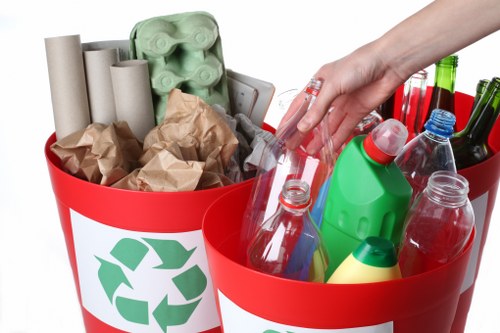
 Environmental Protection and Waste Segregation: Our waste handling strategy prioritises recycling and proper disposal to minimise environmental harm. Clear labelling and separation of waste streams on-site and in transit reduce contamination and support lawful disposal. Spill kits and containment measures are carried on vehicles to manage accidental releases. The company is committed to preventing fly-tipping and will only transfer waste to authorised disposal sites and licensed brokers.
Contractor Management and Competence
Third-party suppliers must supply evidence of relevant licences, risk assessments and method statements prior to commencing work. Contracts include clauses requiring compliance with safety standards, right of audit and immediate suspension if unsafe practice is identified. Regular performance reviews and on-site checks ensure that subcontracted commercial waste collections meet our safety and environmental expectations.Monitoring, Review and Continuous Improvement
The policy will be reviewed annually and after any significant incident, operational change or legislative update. Performance is monitored through safety audits, vehicle inspections, training completion rates and incident trends. Key performance indicators include lost-time incidents, near-miss reports, and correct segregation rates. Management commits to continual improvement, investing in safer equipment, training and processes to reduce risk. Record Keeping and Legal Compliance: Accurate records of waste consignment notes, vehicle checks, training, risk assessments and incident reports are retained to demonstrate compliance with relevant waste and health & safety obligations. This documentation supports traceability of waste movements and assists in regulatory reporting. The company adheres to recognised standards for commercial refuse removal in Surbiton, ensuring contracts and operations reflect current legislative requirements.
Conclusion: This health and safety policy for commercial waste management sets out our commitment to protecting people and the environment while delivering reliable commercial rubbish removal services. All personnel are expected to understand and apply the standards described here. Management will provide the resources necessary to implement this policy, and employees will be supported to raise concerns and contribute to safer working practices.